
Plots in Guadalajara - buy, sell or rent easily

Find plots by category in Guadalajara (Province)


Plots for sale with most wanted features
- Urban 32
- Developable 12
- Non developable 20


Latest publications of land and houses for sale in Guadalajara (Province)
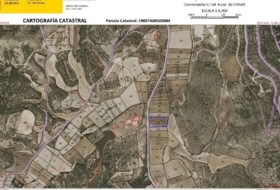


 +1
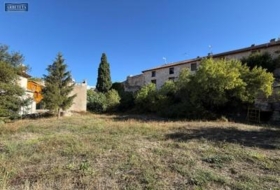
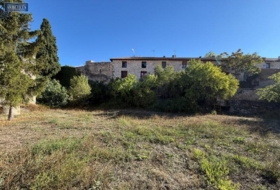
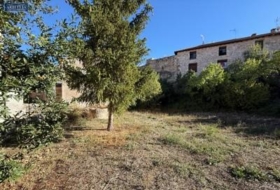
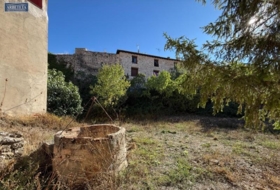
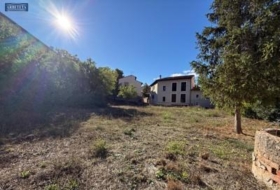
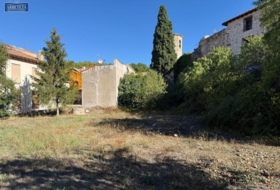
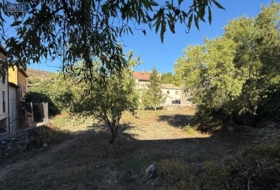
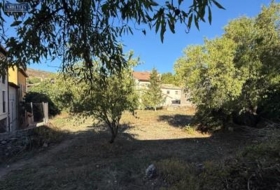
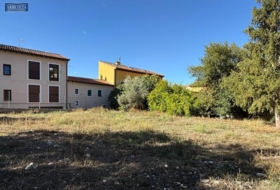
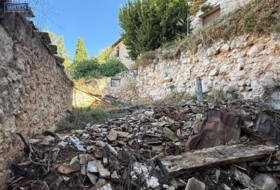
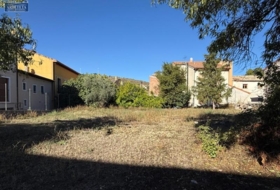
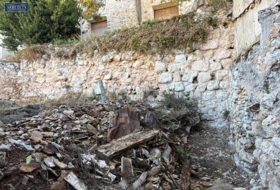
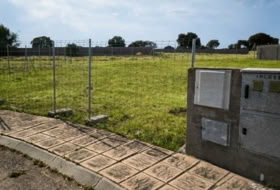
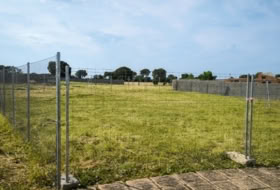
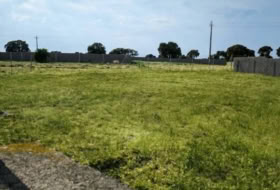
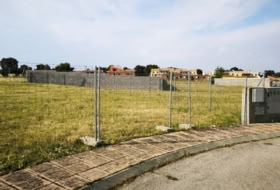
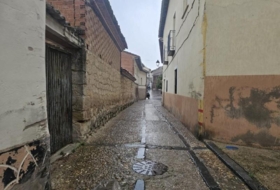
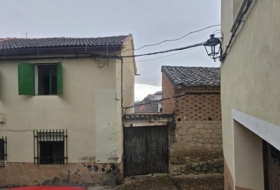
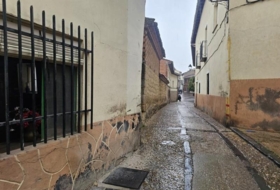
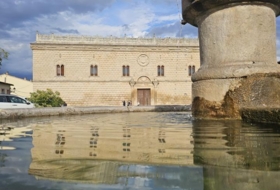
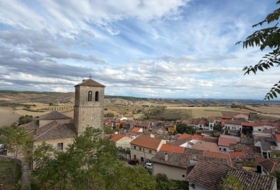
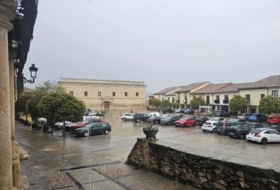
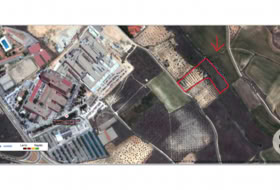
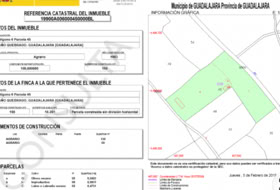


 +4
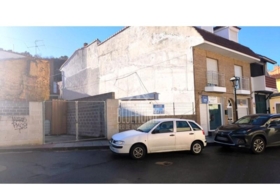
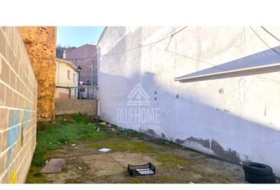
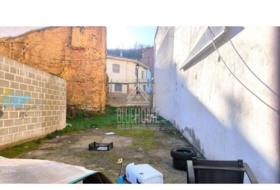
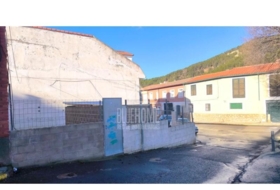
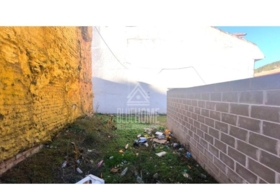
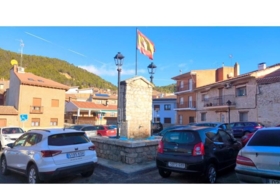
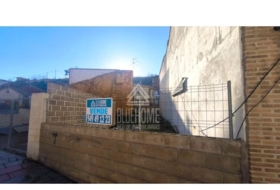
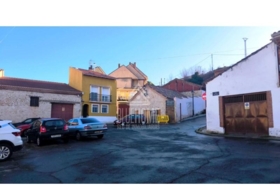
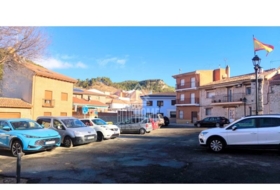
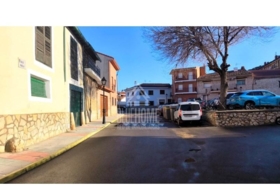
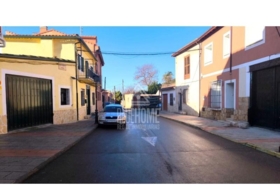
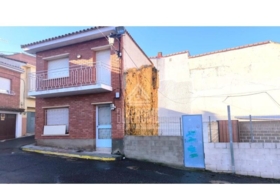
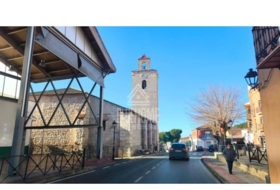
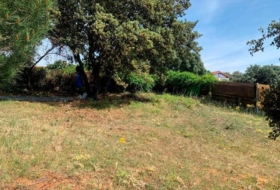
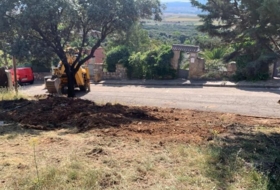
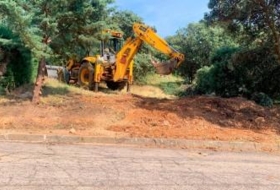


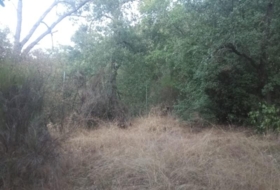
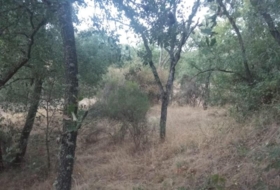
Where to buy land in Guadalajara
The cheapest land in the province of Guadalajara is in the municipalities of Megina and Riba de Saelices, followed by Hueva, Almoguera, Miedes de Atienza and Matarrubia. Prices are so low because of the wide availability of rustic land for sale in the area.
The places with the cheapest urban land in Guadalajara are Renera, Valdenaya and Yélamos de Abajo. The most expensive lots, on the other hand, are in Guadalajara, Razbona and Pastrana. Developable plots for sale are priced similarly to urban land, since they are concentrated in the province's main towns.
Climate diversity creates different ecosystems
It has a continental Mediterranean climate, with hot, dry summers and long, cold winters. There are two zones: in the higher districts the weather is harsher and wetter (the Serranía, Señorío de Molina-Alto Tajo and Alcarria Alta), while it is milder on the plains (Campiña and Alcarria Baja). This climatic and geographical diversity gives rise to holm oak, Portuguese oak, juniper, pine, oak and beech woodland spread across its mountain systems (Central and Iberian). About 25% of the territory is wooded, with conifers, broadleaf trees and scrub (rosemary, rockrose, thyme, Spanish lavender, heather, lavender and sage). Along the rivers there are ash, elm, alder, birch and riverside vegetation. Forest land covers around 30% of the area. Some of these places are protected natural areas, and hunting and fishing are practised in the many reserves across the province.
A dynamic economy
The province of Guadalajara belongs to the autonomous community of Castilla-La Mancha. It has more than 250,000 inhabitants and covers more than 12,000 km². It offers a good quality of life. Its four districts are La Alcarria, La Campiña, Las Serranías and Señorío de Molina. Most of the population lives in the capital and its surroundings, while the more rural areas are very sparsely populated.
Services are the most important sector in the province, followed by industry, construction and the primary sector.
Industrial activity is concentrated in the Henares Corridor (Azuqueca de Henares, Alovera, Cabanillas del Campo, Marchamalo and the city of Guadalajara), which in recent years has seen a boom in the construction of warehouses and logistics hubs. This sector is an important economic engine (the Azuqueca de Henares Dry Port and the Ciudad del Transporte). It is also the province with the highest export volume in Castilla-La Mancha.
Agriculture going organic
Farmland covers about 20% of the area.
Rain-fed crops predominate (sunflower, vines, olives, rapeseed, cereals — oats, wheat, barley and rye —, fodder — vetch —, pulses and potatoes). Sugar beet is no longer grown; farmers have turned to dried peas and aromatic plants (lavender, lavandin, spike lavender and rosemary). 60% of these plants in the whole autonomous community are grown here. The harvest is then processed by industry into various products.
The municipalities of the Henares basin and La Campiña stand out. Small farms (under 10 hectares) predominate there, although there are also large ones (over 200 hectares) that cover more than half of the area.
Among organic crops, cereals and olive groves stand out. Organic production is booming (cereals, pulses, nuts — almond, pistachio and walnut —, saffron, vegetables, oilseeds, fodder, fruit trees, olive groves and fallow land) and is supported by the regional government with grants and subsidies.
Livestock, the backbone of the population
Castilla-La Mancha has the third-largest sheep population and the second-largest goat population of any autonomous community in Spain. Livestock is also an economic engine in the province of Guadalajara, especially sheep, beekeeping (Miel de la Alcarria Designation of Origin), cattle, goats and the breeding of fighting bulls.
The regional government provides grants and organises courses to promote innovation and professionalisation in the sector and to bring young farmers into the profession, helping to create jobs, prevent depopulation and preserve the environment and rural life.
Healthy industry
The province has 30,000,000 m² of industrial land, spread over a wide network of industrial estates with space available for businesses.
The area is close to the main markets and has good infrastructure and an excellent transport network, as it lies in the centre of the country and borders the Spanish capital. The logistics and services industry is well established. There is also investment in R&D, and the authorities offer incentives and grants for new companies.
Some of the most important industrial centres are in Azuqueca de Henares, Cabanillas del Campo and the city of Guadalajara itself.
Renewable Guadalajara
Several projects have recently been proposed for solar and wind farms, such as the one planned around Trillo and Cifuentes. The issue is controversial because of speculation by electricity companies seeking land and the harm this causes farmers, which environmentalists have denounced.
In any case, there are already many renewable energy parks in the area that supply a large part of the population.
Land, a good opportunity
There is a large area of zoned but unbuilt urban land awaiting investors to promote new construction. Several projects are currently under construction, especially in the provincial capital and the towns closest to the Community of Madrid. This is reflected in house prices: many people from Madrid move to Guadalajara, where they find much cheaper homes and a better quality of life.
In short, thanks to its proximity to Madrid, the province of Guadalajara has very good transport links and attracts residents and businesses. It is a very interesting place to invest in any type of land, thanks to its wide availability, good prices and business opportunities, whether residential, industrial (especially logistics), agricultural or renewable energy projects.


